24 Hour Towing
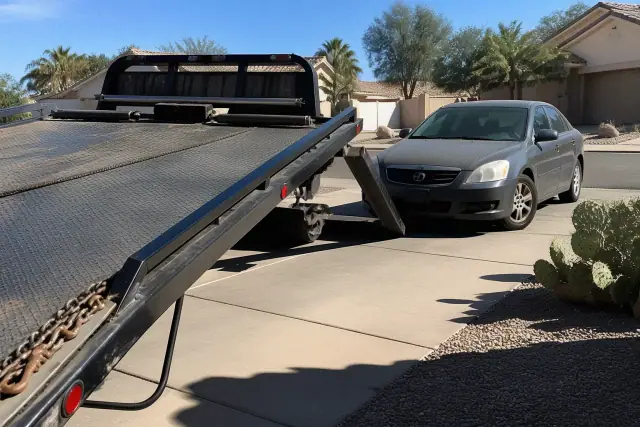
Round-the-clock dispatch keeps towing available when a vehicle fails before dawn, after work, or overnight. A dispatcher confirms your location, vehicle type, and situation, then sends a truck equipped for the call.
Explore Service
Phoenix Towing Co. provides 24 hour towing, emergency towing, roadside assistance, flatbed towing, and local towing throughout Gilbert, Arizona. Our crews also handle long distance towing, accident recovery, motorcycle towing, jump starts, and car lockouts. Dispatch is available 24/7 for drivers along Loop 202, Gilbert Road, Val Vista Drive, Higley Road, and surrounding town streets.
Gilbert has grown past 287,285 residents, making it the country's most populous incorporated town and adding commuter cars, delivery vans, and commercial fleets to East Valley roads. Summer pavement temperatures regularly exceed 140 degrees Fahrenheit, increasing strain on tires, batteries, belts, and cooling systems from May through September. Monsoon downpours can reduce visibility to near zero within minutes and leave standing water at low-lying intersections. When a vehicle fails, our dispatcher matches the call with appropriate flatbed, wheel-lift, roadside, or recovery equipment and explains the estimated arrival window before the truck is assigned.
Call any hour, including 2 a.m., for a free estimate and upfront pricing based on your location, destination, vehicle class, and time of day.
Choose a service based on whether the vehicle can be restored roadside, needs a local lift, requires a flatbed, or must travel beyond Gilbert. We cover Downtown Gilbert, the Heritage District, South Gilbert near the San Tan Freeway, North Gilbert along McQueen Road and Greenfield Road, and West Gilbert near Chandler and Tempe. Drivers traveling across the Valley can also review our towing coverage in Peoria, AZ .
Round-the-clock dispatch keeps towing available when a vehicle fails before dawn, after work, or overnight. A dispatcher confirms your location, vehicle type, and situation, then sends a truck equipped for the call.
Explore Service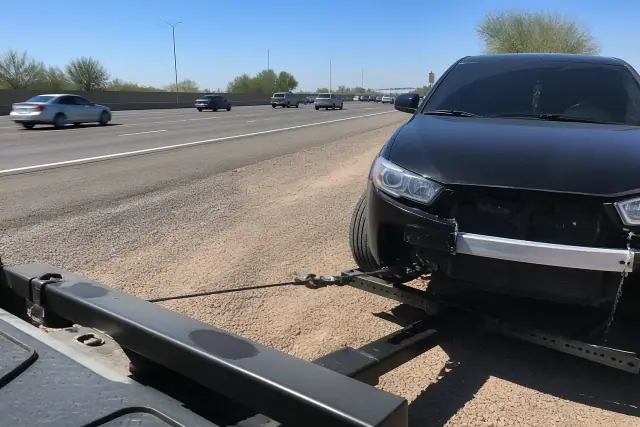
Emergency towing prioritizes disabled vehicles in live lanes or medians on corridors such as Baseline Road and Williams Field Road. Crews use reflective safety gear and cone-out procedures aligned with Arizona Department of Transportation roadside safety guidance.
Explore Service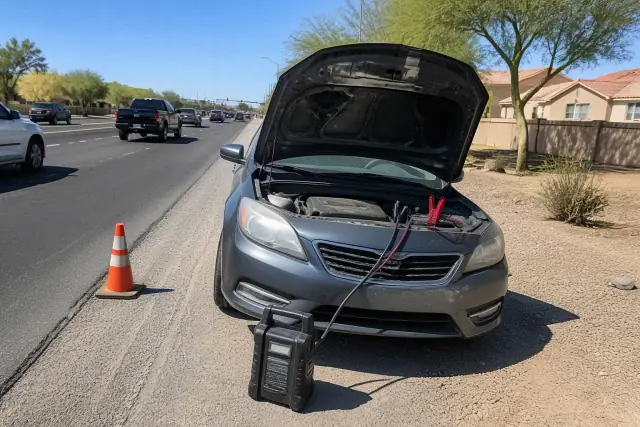
Roadside assistance covers jump starts, safe shoulder tire changes, minor fuel delivery, and overheating calls. If the vehicle cannot be restored safely where it sits, the same call can transition into a tow.
Explore Service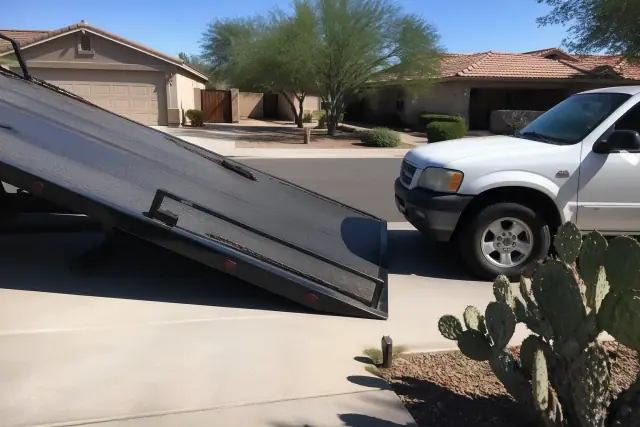
Hydraulic flatbeds keep all four wheels off the pavement for lowered vehicles, all-wheel-drive drivetrains, EVs, electronic parking brakes, and vehicles with existing damage. Axle straps help secure the vehicle without chain contact at bumpers or body panels.
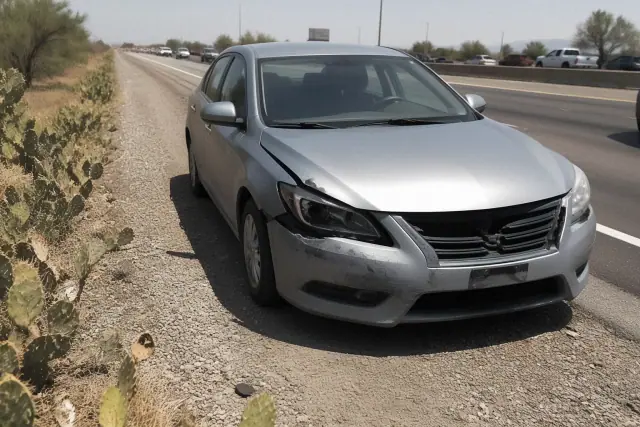
Local towing covers cars that need transport to a Gilbert repair shop, home, or storage location using a flatbed or wheel-lift as appropriate. Most Gilbert local tows are completed the same day, often within the hour depending on call volume and location, and private-property moves follow Arizona notification requirements.
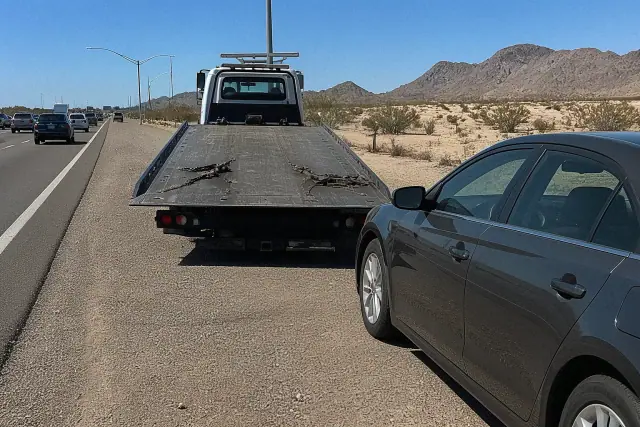
Long distance towing can move a disabled vehicle toward Tucson, Flagstaff, or an out-of-state destination on one flatbed for the full trip. Pricing is quoted before dispatch based on mileage, vehicle size, and route.
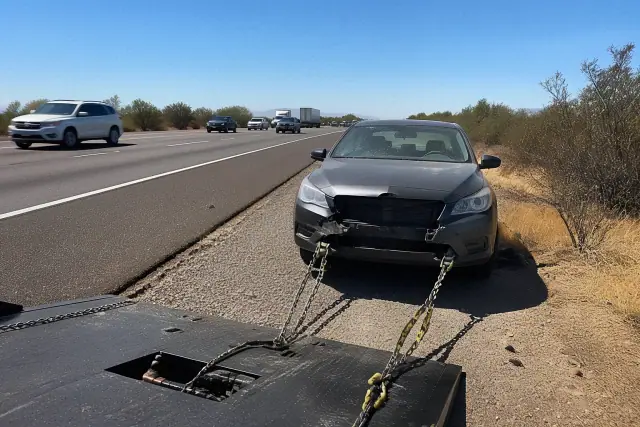
Accident recovery can include debris clearing, winch-out service, damage-conscious loading, and coordination with Gilbert Police Department officers, Gilbert Fire and Emergency Services personnel, or an insurance adjuster. Flatbed transport helps avoid adding stress to an already damaged vehicle.
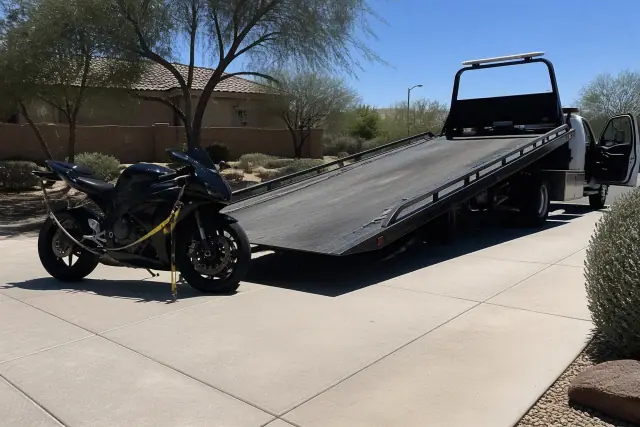
Motorcycle towing uses wheel chocks and low-profile tie-downs designed for two-wheel loading. Cruisers, sport bikes, and touring motorcycles are kept upright and stable, with hand loading used when deck height allows.
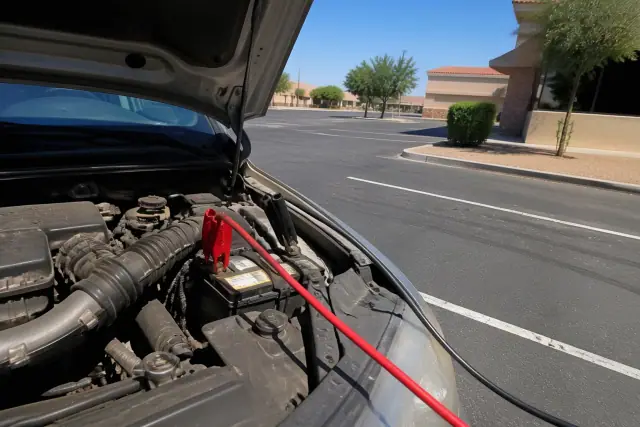
Commercial-grade jump packs can start standard batteries as well as larger truck and commercial-vehicle batteries. If a battery will not hold the charge, the driver explains the problem instead of sending you off with a battery likely to fail again within the hour.
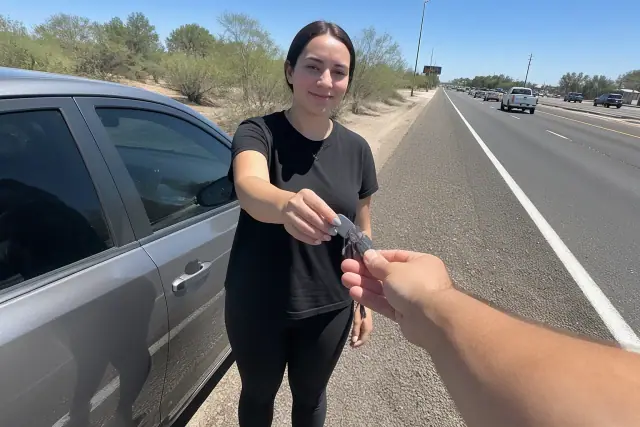
Car lockout service addresses keys left inside, keys snapped in the ignition, and unresponsive fobs with non-destructive entry tools. The approach protects weatherstripping, window seals, lock cylinders, and sensitive electronics, and most lockouts are resolved within minutes of arrival.
The right response depends on roadway position, vehicle design, weight, distance, and whether the problem can be resolved safely where the vehicle sits. Sharing these details during dispatch helps Phoenix Towing Co. send appropriate equipment on the first trip.
A disabled vehicle blocking a live lane or sitting in a high-speed median needs emergency towing priority. A breakdown in a driveway or safe parking lot can follow the standard dispatch sequence.
Lowered vehicles, all-wheel-drive systems, EVs, electronic parking brakes, and existing driveline damage generally point toward flatbed transport. Tell dispatch about these conditions before the truck is assigned.
A dead battery, flat tire, minor fuel need, or lockout may be resolved on site. If the vehicle cannot be made safe to drive, the roadside call can continue as a tow without starting over.
Pickups, work trucks, box trucks, and larger commercial vehicles require equipment rated for their gross vehicle weight. Give the dispatcher the vehicle class or GVWR so the correct rig arrives first.
A short move to a Gilbert repair shop differs from transport across the East Valley or beyond Arizona. Confirm the destination early so mileage, route, and equipment can be included in the quote.
A collision, curb impact, barrier contact, or vehicle off the paved shoulder may require winch-out recovery before loading. Describe the vehicle's position so the crew can arrive prepared.
Extreme heat, fast-moving traffic, monsoon weather, and heavy East Valley commuting shape the breakdowns Gilbert drivers face. Recognizing the symptom helps dispatch decide whether to send roadside tools, a flatbed, a wheel-lift, or recovery equipment.
Request Roadside HelpSustained summer heat accelerates battery degradation and can leave a vehicle unable to start in a driveway, parking lot, or roadside shoulder. A jump start can confirm whether the battery will hold a charge.
Hot asphalt speeds tire wear and raises blowout risk, especially when tread or pressure is already compromised. A tire change is attempted only where shoulder conditions make roadside work safe.
Gilbert heat puts extra strain on cooling systems, belts, and fluid levels. When an engine cannot be stabilized safely roadside, towing prevents further driving on an overheating vehicle.
Sudden monsoon downpours can flood low-lying intersections, create standing water, and trigger hydroplaning or engine stalls. Reduced visibility also makes lane positioning and recovery planning more important.
High-speed merges on the Loop 202 and heavy signal-to-signal traffic on Gilbert Road or Power Road can turn a stalled vehicle into an immediate hazard. Emergency towing focuses first on clearing the travel lane safely.
Locked-in keys, broken ignition keys, and fobs that stop communicating can strand a driver even when the vehicle is mechanically sound. Non-destructive entry tools are selected for the vehicle's lock and electronic system.
Local road familiarity, clear dispatch communication, and equipment matched to the vehicle help make a stressful call more manageable. Every quote considers the pickup point, destination, vehicle class, time of day, and recovery conditions before hookup.
Crews work across Downtown Gilbert, the Heritage District, the San Tan Freeway corridor, McQueen Road, Greenfield Road, and the roads connecting Mesa, Chandler, and Queen Creek. That familiarity supports practical routing to stranded drivers.
Dispatch provides an estimated arrival window and a price based on the information supplied before a truck is assigned. A call or text keeps you updated, and material changes on scene are explained before the tow proceeds.
Flatbeds, wheel-lifts, motorcycle chocks, low-profile tie-downs, jump packs, and winch equipment are matched to the vehicle and situation. Drivers document vehicle condition before loading and explain the securement method.
From the first call through the final invoice, the process keeps vehicle details, equipment choice, arrival communication, securement, and destination clear. If the vehicle moves or the issue resolves before arrival, call dispatch so the truck assignment can be adjusted or canceled.
Tell dispatch where the vehicle is, what you drive, what happened, and where it needs to go. Mention traffic-lane exposure, driveline damage, vehicle weight, or off-road position.
A driver is assigned based on proximity and equipment fit. The call may require roadside tools, a wheel-lift, a hydraulic flatbed, motorcycle hardware, or heavier towing equipment.
You receive a call or text with the estimated arrival time. Keep dispatch updated if the vehicle, pickup point, destination, or safety conditions change.
The driver checks the vehicle's condition and position, then explains the roadside fix, tow method, or recovery approach before work begins.
The vehicle is loaded with flatbed or wheel-lift equipment as appropriate and secured with methods suited to its size and design. Existing condition is documented before transport.
The driver transports the vehicle to the repair shop, home, or storage destination you selected. The final invoice reflects the agreed rate unless the on-scene situation changed materially and was explained.
Case Study 1: Roadside Restart: A heat-weakened battery that accepts and holds a jump can get a car moving again without transport to a shop.
Case Study 2: Damage-Conscious Transport: A lowered, all-wheel-drive, electric, or drivetrain-damaged vehicle can ride fully on a flatbed with axle-strap securement.
Case Study 3: Recovery and Documentation: A collision-damaged or off-road vehicle can be recovered, documented, and delivered to the driver's chosen repair, storage, or insurance destination.
Share your location, destination, vehicle type, and what happened to receive a free estimate and an equipment-matched dispatch plan. Pricing is explained before hookup, including any mileage, vehicle-class, after-hours, holiday, or recovery factors that apply.
These answers cover Arizona towing rules, Gilbert dispatch, service choices, roadside help, coverage, and pricing. For a vehicle in an active travel lane or another immediate safety hazard, call for emergency help first.
Call for Towing HelpArizona towing rules address consent, abandoned vehicles, private-property towing, required notices, and operator documentation. Requirements differ by tow type and municipality; Phoenix Towing Co. carries the licensing and insurance documentation required under Arizona towing regulations for its calls.
Private-property towing generally requires posted signage before an unauthorized vehicle can be removed, although specific notice requirements vary by municipality. Law-enforcement-ordered tows and vehicles creating an active safety hazard follow different procedures.
Posted warning signs are generally required for unauthorized parking enforcement on private property. Exceptions can apply when a vehicle blocks a fire lane or accessible space, creates an active hazard, is involved in a collision, or must be removed from a public roadway by law enforcement.
Check whether your policy includes roadside dispatch or reimbursement when the situation is safe and not urgent. If the vehicle is blocking traffic, involved in a collision, or creating a hazard, direct towing dispatch may be faster; accident documentation can then be coordinated with the adjuster.
Arizona does not provide a statewide free roadside program for every driver. Arizona Department of Transportation freeway service patrols may offer limited help on certain high-traffic Phoenix metro corridors, including moving a disabled vehicle from a travel lane, while Gilbert streets generally require insurance, an auto club, or a towing provider.
Use 911 for an active emergency involving injury or immediate danger. For a breakdown, dead battery, or lockout that is not blocking traffic, calling a towing company directly usually avoids an unnecessary officer response; use the Gilbert Police Department's published non-emergency line for accidents, disputes, or municipal matters without immediate danger.
Towing commonly combines a base hookup fee with mileage, and published guidance cites a national basic-tow average around $109. Long distance rates often fall between $2.50 and $7.00 per mile depending on distance, vehicle size, and route; after-hours, holiday, or winch-out conditions can change the quote, so dispatch confirms pricing before the truck leaves.
Request emergency towing when a disabled or collision-damaged vehicle is blocking a live lane, sitting in a median, or creating another immediate roadway hazard. Give dispatch the direction of travel, nearest cross street or freeway marker, and the vehicle's exact position.
Flatbed towing is generally the safer choice for lowered cars, all-wheel-drive vehicles, EVs, electronic parking brakes, warranty-sensitive vehicles, and existing drivetrain damage. It lifts the entire vehicle off the road and allows axle-strap securement.
Motorcycles are carried on a flatbed with wheel chocks and low-profile tie-downs that keep the bike upright and stable. Crews handle cruisers, sport bikes, and touring motorcycles and use hand loading when deck height makes it practical.
Heavy-duty towing covers pickups, work trucks, box trucks, and larger commercial vehicles when the proper rated flatbed or wheel-lift is dispatched. Tell the dispatcher the vehicle class or GVWR so equipment suited to the gross vehicle weight is sent.
Many calls can end with a jump start, safe shoulder tire change, minor fuel delivery, or non-destructive lockout service. If an overheating engine, damaged tire, failed battery, or other issue cannot be resolved safely, the call can transition directly into a tow.
The crew assesses vehicle position and damage, performs a winch out when needed, clears manageable debris, documents vehicle condition, and loads the vehicle without adding avoidable structural stress. Phoenix Towing Co. can also coordinate towing documentation with responding Gilbert agencies and insurance adjusters.
Coverage includes Downtown Gilbert and the Heritage District, South Gilbert near the San Tan Freeway, North Gilbert along McQueen Road and Greenfield Road, and West Gilbert near Chandler and Tempe. Trucks also travel into Mesa, Queen Creek, Chandler, and the broader East Valley, with long distance transport available beyond the area.
Provide your exact location, vehicle type, the problem, roadway position, and chosen destination. Mention all-wheel drive, an electronic parking brake, vehicle weight, collision damage, or off-road conditions, and call back if the vehicle moves or the problem resolves.