Proudly serving Phoenix, Glendale, Scottsdale, Tempe, Mesa, Chandler & surrounding areasCall or Text 24/7: 480-245-5233
Aerial drone view of the urban landscape, foothills, and residential sprawl in Phoenix, AZ.

Roadside Assistance: Jump Starts, Lockouts & Tire Changes in Phoenix, AZ

Phoenix Towing Co. provides 24/7 roadside assistance across Phoenix, Arizona, for drivers dealing with dead batteries, flat tires, lockouts, and empty tanks. Our trucks also support emergency towing, flatbed transport, accident recovery, motorcycle towing, and local or long-distance moves. Operators carry jump boxes, non-destructive lockout kits, spare-tire tools, and fuel containers for common roadside calls. When a vehicle cannot be made drivable at the scene, we match it with light duty, medium duty, or heavy duty towing equipment.

Phoenix asphalt can exceed 150 degrees Fahrenheit while summer air temperatures climb past 115 degrees, putting batteries, tires, and cooling systems under severe strain. Breakdowns rise from June through September, often exposing stranded drivers to traffic and extreme heat. Across the city's 517.9 square miles, a dead battery or damaged tire can quickly become more than an inconvenience. GPS-based routing helps dispatch the closest available unit and provides a realistic arrival window based on traffic and distance.

The Maricopa Association of Governments Freeway Service Patrol handles over 10,000 assists annually, but private service fills gaps on surface streets, in neighborhoods, and after hours. In a city of 1.6 million residents and a metro area of 5.19 million, prepared roadside and towing equipment helps address a wide range of breakdowns.

Phoenix Towing Co. provides roadside assistance in Phoenix and across Scottsdale, Tempe, Mesa, Chandler, Gilbert, Queen Creek, and the Phoenix metro area.

★ ★ ★ ★ ★4.9/5 Average Rating · 20+ Years of Experience · Thousands of Customers Helped · Licensed & Insured · Residential & Commercial

Roadside Assistance Options & Benefits

What Does Roadside Assistance Include?

Roadside assistance covers problems that disable a vehicle or leave its occupants exposed to traffic, heat, or an unsafe location. That includes a dead battery on 7th Street, a flat tire along Interstate 17, a lockout in the Camelback Corridor, or an empty tank on Loop 202.

A properly equipped operator can often jump the battery, unlock the vehicle, install a usable spare tire, or deliver enough fuel to reach the nearest station. If the vehicle is not safe to drive, the call shifts to a wheel-lift, flatbed, or recovery tow matched to the vehicle and its condition.

Service extends from downtown Phoenix and Sky Harbor to surrounding cities and the edges of Maricopa County. Drivers receive an arrival window after dispatch confirms the exact location, vehicle type, and nature of the problem.

Benefits of Professional Roadside Help

The right response combines practical on-scene help with a safe towing plan when a quick fix is not possible. Equipment, vehicle condition, location, and traffic all shape the next step.

  • GPS routing assigns the closest available unit
  • Commercial jump boxes support gas and diesel engines
  • Non-destructive tools protect locks, paint, and seals
  • On-site spare-tire changes avoid an unnecessary tow
  • Fuel delivery gets the vehicle to the nearest station
  • Light, medium, or heavy duty equipment is matched to the vehicle
  • Pre-load inspection and photos document vehicle condition
  • Rated tie-downs secure transport to your chosen destination
Roadside Services

Roadside Assistance Services

Common roadside calls can often be resolved without moving the vehicle. When damage, drivability, or safety makes towing necessary, dispatch can send the equipment needed for transport or recovery.

Battery Jump Starts

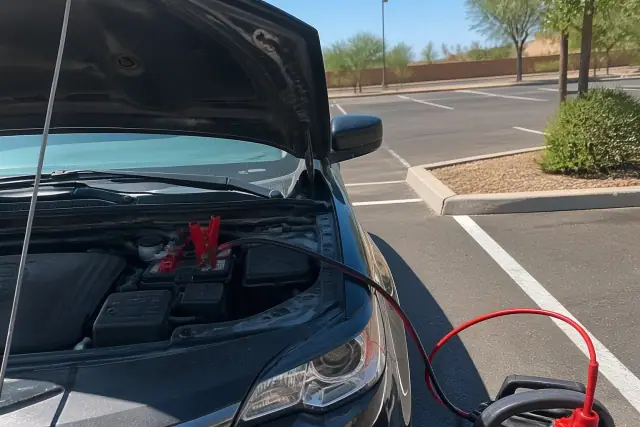
Jumper cables connected to a car battery with the hood open in a Phoenix, AZ parking lot.

Phoenix heat can shorten battery life well before the 5-year mark common in cooler regions. Commercial-grade jump boxes work with gas and diesel engines, and most jump starts take under 15 minutes once the operator is on scene.

Request Estimate

Car Lockout Service

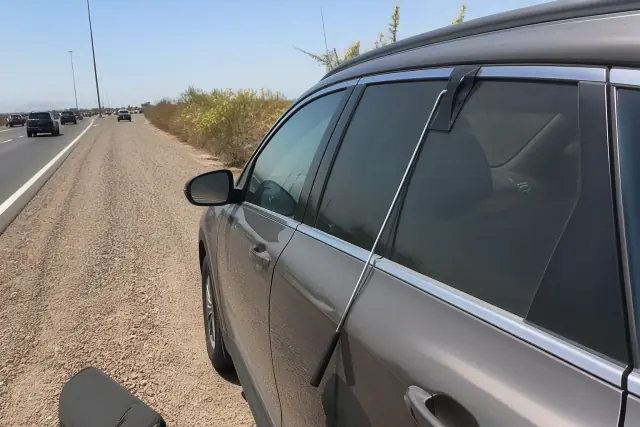
A specialized long-reach lockout tool used on a car parked on a gravel roadside in Phoenix, AZ.

Non-destructive entry tools are designed for modern door and trunk mechanisms. The goal is to restore access without damaging paint, weatherstripping, window seals, locks, keypads, or interior trim.

Request Estimate

Flat Tire Assistance

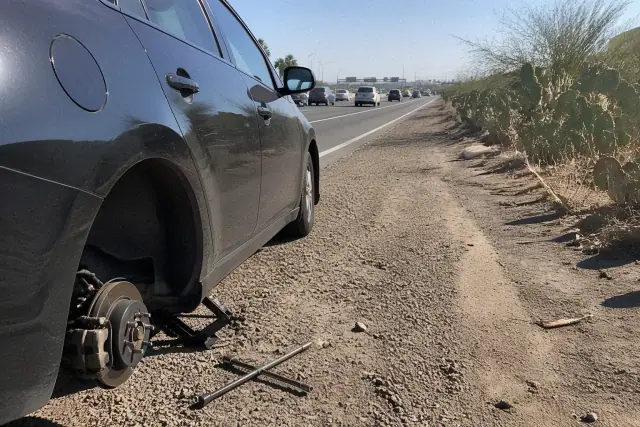
A car with a flat tire being repaired on the shoulder of a highway in Phoenix, AZ.

Sun-baked pavement accelerates tire and sidewall wear, making flats a frequent Phoenix roadside problem. An operator can install your usable spare where conditions are safe or arrange a tow when the spare cannot be used.

Request Estimate

Emergency Fuel Delivery

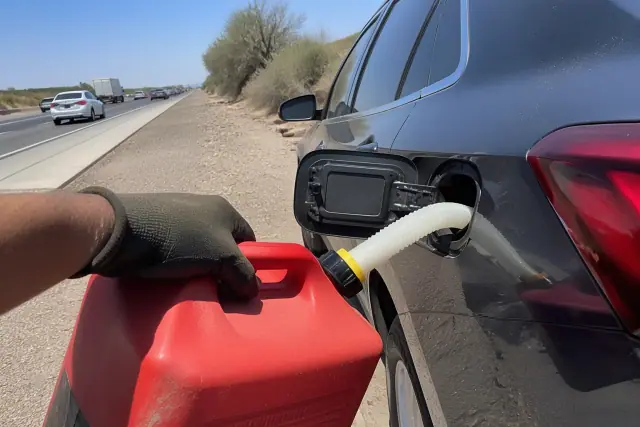
A technician refueling a disabled vehicle on a highway shoulder in Phoenix, AZ.

Running out of fuel can happen on Loop 101, a long commute, or a rural stretch near Queen Creek. The delivered amount is intended to get the vehicle to the nearest station without waiting for a separate delivery provider.

Request Estimate

Emergency Towing

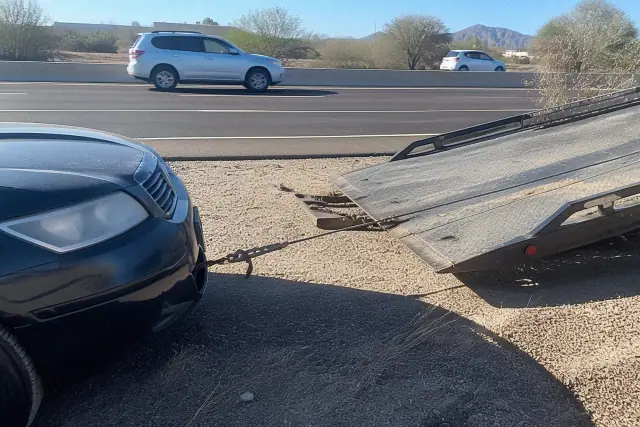
Tow truck loading a disabled car onto a flatbed on a dusty desert roadside in Phoenix, AZ.

When a jump, tire change, lockout, or fuel delivery cannot make the vehicle safe to drive, emergency towing provides the next step. Dispatch uses live truck positions to assign the closest suitable unit and updates the arrival window if traffic or distance changes it.

Request Estimate

Accident Recovery

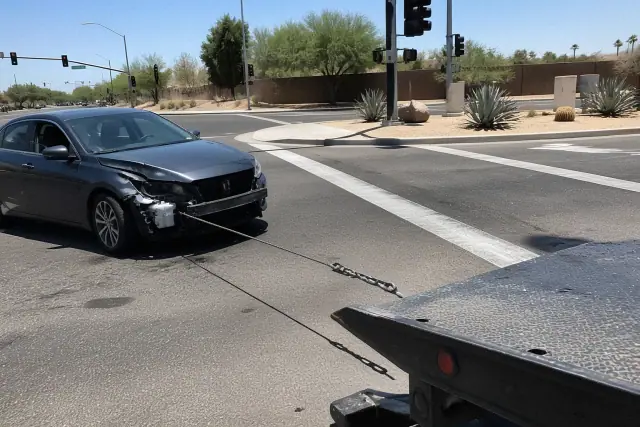
Damaged car being towed by a winch at a road intersection in Phoenix, AZ.

Collision and rollover recovery require rigging beyond a standard breakdown tow. Operators can use winches, snatch blocks, and stabilization straps, document the vehicle before loading, and coordinate with responding police and the driver's insurer.

Request Estimate
Towing & Recovery Options

Towing Options for Every Vehicle

Vehicle type, drivetrain, clearance, damage, distance, and loading conditions determine the safest towing approach. Available options cover local transport, long-distance planning, motorcycles, specialty vehicles, and accident recovery.

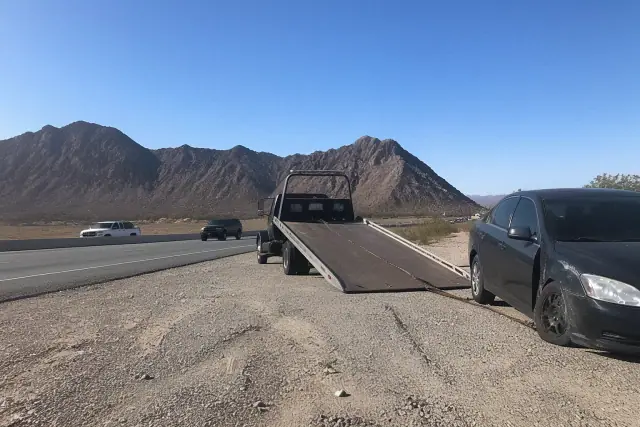
Flatbed tow truck loading a disabled vehicle onto the bed on a desert roadside in Phoenix, AZ.

Flatbed Towing

Flatbed towing keeps all four wheels off the pavement, preventing the drivetrain stress and tire wear associated with wheel-lift transport. It is suited to all-wheel-drive, low-clearance, specialty, and damage-sensitive vehicles.

  • All four wheels remain off the road
  • Suitable for all-wheel-drive and low-clearance vehicles
  • Carries sedans, SUVs, and light trucks
  • Protects exotic, luxury, and vintage vehicles
  • Avoids extended tire and brake contact with hot pavement
Request Estimate
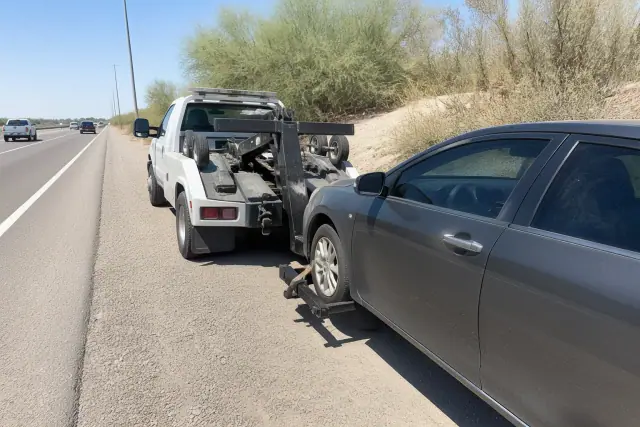
Wheel-lift tow truck recovering a disabled car on a gravel shoulder in Phoenix, AZ.

Local Wheel-Lift Towing

Wheel-lift towing can move an appropriate vehicle after the operator evaluates drivability, fluid leaks, structural damage, and drivetrain needs. The inspection determines whether wheel-lift transport is suitable or a flatbed is the safer choice.

  • Vehicle condition is inspected before loading
  • Equipment is matched to light, medium, or heavy duty needs
  • Destination can be a home, repair shop, or dealership
  • Rated tie-downs secure the vehicle for transport
  • Estimated arrival updates continue during the move
Request Estimate
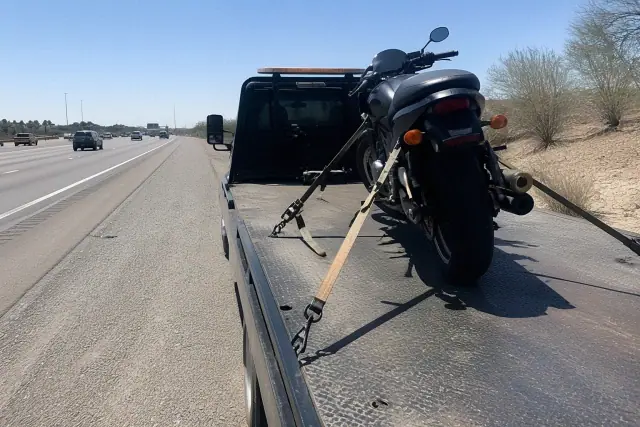
A motorcycle secured with straps on a flatbed tow truck on a highway shoulder in Phoenix, AZ.

Motorcycle Towing

Motorcycles require a flatbed or specialized trailer because wheel-lift towing does not provide the stability of a fourth wheel. Bike-specific securement protects the frame, forks, swingarm, and fairings during loading and transport.

  • Wheel chocks stabilize the motorcycle
  • Soft-tie straps match the bike's weight distribution
  • Flatbed or specialized trailer transport
  • No car-style ratchet chains on the bike
  • Securement avoids fork and swingarm damage
Request Estimate
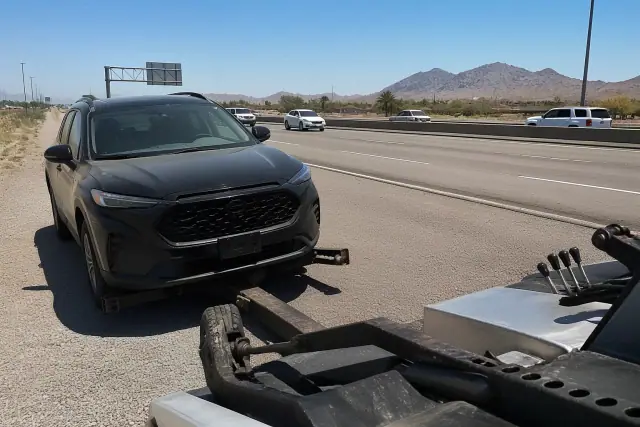
A disabled vehicle hooked to a tow truck on the side of a highway in Phoenix, AZ with desert mountains in the background.

Long-Distance Towing

Long-distance towing from Phoenix can follow routes toward Tucson, Flagstaff, California, or New Mexico. Route planning accounts for fuel stops, desert heat exposure, distance, and permits that may apply to oversized or commercial loads.

  • Route and fuel stops planned in advance
  • Desert heat exposure considered for the vehicle
  • Securement and lighting follow federal motor carrier standards
  • Operator hours logged under Arizona motor carrier rules
  • Oversized or commercial permit needs identified before departure
Request Estimate
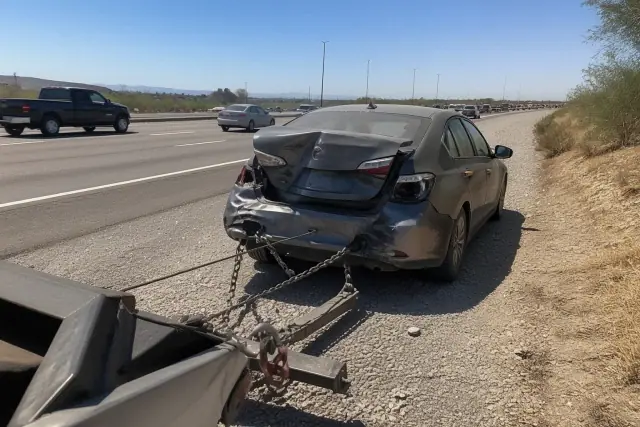
Disabled vehicle being recovered on a highway shoulder with winch cables in Phoenix, AZ.

Collision and Rollover Recovery

Accident recovery uses rigging and stabilization methods suited to damaged, off-angle, or rolled vehicles. The operator works with responders, documents pre-load condition, and transports the vehicle to the repair shop, storage yard, or other directed destination.

  • Winches and snatch blocks support controlled recovery
  • Stabilization straps reduce secondary movement
  • Photos and a load-out report document condition
  • Coordination with police and insurance when needed
  • Road debris cleared when conditions allow
Request Estimate
Finding the Right Response

Choosing the Right Roadside Response

Dispatch starts with the exact location, vehicle type, and whether anyone is injured. That information helps determine whether the call needs an equipped roadside operator, a wheel-lift truck, a flatbed, motorcycle equipment, or heavier recovery gear before the unit leaves.

GPS-Based Dispatch

Live truck positions let dispatch assign the closest available unit instead of relying on fixed territories. The caller receives a realistic arrival window and a follow-up if traffic on Interstate 10, Interstate 17, Loop 101, or another route changes it.

On-Scene Roadside Equipment

Trucks carry jump boxes, lockout kits, and fuel delivery containers so common problems can be handled without a second dispatch. When an on-site fix is not appropriate, wheel-lift, flatbed, and recovery equipment supports the next step.

Careful Vehicle Transport

Phoenix Towing Co. operates under Arizona Department of Transportation motor carrier registration and follows Arizona Department of Public Safety requirements for commercial towing. Trucks and operators carry the insurance coverage required for vehicle transport in Maricopa County, and operators document vehicle condition before loading.

What Sets Us Apart

Why Phoenix Drivers Choose Our Roadside Help

Roadside calls receive equipment and routing based on the actual vehicle, location, and problem. Dispatch quotes the call before sending a truck, operators evaluate the vehicle before choosing a towing method, and the driver selects the transport destination.

Request Roadside Assistance

Dead Battery

Extreme heat degrades battery plates and can leave a vehicle unable to start in a driveway, parking lot, or traffic-exposed location. An operator can attempt a jump and check whether the symptoms point to the battery, alternator, or starter before recommending a tow.

Flat Tire

Heat and sun-baked asphalt can accelerate sidewall wear, increasing the chance of a flat. If the location is safe and the spare is usable, the tire can be changed on site; otherwise, towing keeps the vehicle from traveling on a damaged tire.

Vehicle Lockout

Keys locked in a running vehicle, trunk, or cabin can strand a driver at home or in a busy parking area. Modern entry tools are selected to open the vehicle without forcing locks or damaging seals, paint, keypads, and trim.

Empty Fuel Tank

Long commutes and freeway stretches without a convenient exit can turn an empty tank into a roadside safety issue. Fuel delivery provides enough to reach the nearest station so the driver does not need a separate tow for a simple fuel emergency.

Overheated Engine

Phoenix summer conditions put sustained strain on vehicle cooling systems. A vehicle that is overheating or leaking fluid should be evaluated for drivability before the operator decides whether it can remain on scene or needs flatbed or wheel-lift transport.

Disabled or Damaged Vehicle

Mechanical failure, collision damage, or a rollover can leave a vehicle unsafe to move under its own power. The response may require a standard tow, flatbed transport, winching, or stabilized recovery based on damage and position.

How It Works

Our Roadside Assistance Process

Each call moves from location and safety assessment to equipment selection, on-site evaluation, and either a roadside fix or secure transport. Clear details at the start help the right unit arrive prepared.

01.

Call and Share Your Location

Tell dispatch your exact location, cross streets or mile marker, and the nature of the breakdown or accident. Clear location details help the unit route to the correct shoulder, parking area, or surface street.

02.

Confirm the Vehicle and Safety Situation

Dispatch asks for the vehicle type and whether anyone is injured before selecting equipment. Details about a motorcycle, low-clearance car, heavy vehicle, collision, or fluid leak prevent guesswork at the scene.

03.

Dispatch the Closest Equipped Unit

GPS positioning identifies the closest available truck with suitable equipment. The dispatcher provides an arrival window and calls back if traffic or distance changes that estimate.

04.

Evaluate the Vehicle On Site

The operator checks drivability, fluid leaks, structural damage, and the immediate surroundings. If towing is needed, the vehicle's condition is photographed before loading and the proper transport method is confirmed.

05.

Complete the Roadside Fix or Tow

The operator may perform a jump start, non-destructive lockout, spare-tire change, or fuel delivery when conditions allow. If the vehicle remains unsafe to drive, it is prepared for wheel-lift, flatbed, motorcycle, or recovery transport.

06.

Secure Transport and Provide Updates

You choose the destination, such as a home, repair shop, dealership, or insurer-directed location. Rated tie-downs secure the vehicle, and the operator keeps you informed of its estimated arrival during transport.

Get Roadside Help

Request Roadside
Assistance in
Phoenix

Share your location, vehicle type, and immediate problem so dispatch can select the right response. You will receive a quote before the truck is dispatched and an arrival window based on the closest available unit.

Roadside Help

Phoenix Roadside Assistance FAQs

These answers cover roadside call limits, immediate use, pricing, response factors, towing methods, accident handling, and service coverage in the Phoenix area.

Call for Roadside Help

Phoenix Towing Co. does not cap roadside assistance calls. You can call once a year or three times in a month if that is what a difficult Phoenix summer requires.

Yes. There is no waiting period, activation delay, or account setup before dispatch confirms your location and situation and sends an operator.

Standalone roadside calls without a tow generally run from $50 to $80 depending on the service, while a local tow typically ranges from $75 to $125. Vehicle size, distance, time of day, equipment, and mileage can change the total, so dispatch provides a quote before sending a truck.

Yes. The company operates under Arizona Department of Transportation motor carrier registration, follows Arizona Department of Public Safety requirements for commercial towing, and carries the insurance coverage required for vehicle transport in Maricopa County.

Response time depends on your location, the nearest available truck, and traffic on routes such as Interstate 10, Interstate 17, and Loop 101. GPS dispatch assigns the closest suitable unit and provides an arrival window, with faster arrivals often possible in denser areas than at the edges of Maricopa County.

Yes. Motorcycle towing uses wheel chocks and soft-tie straps with a flatbed or specialized trailer, while flatbed transport protects exotic, luxury, vintage, low-clearance, and all-wheel-drive vehicles.

The operator can coordinate with responding police and your insurer, photograph the vehicle before loading, and prepare a load-out report. The vehicle is then transported to the repair shop, storage yard, or other location directed by you or the insurer.

A jump start, non-destructive lockout, usable spare-tire change, or fuel delivery can often resolve the call on site. If the vehicle remains unsafe to drive, the operator can recommend the appropriate towing method.

The operator will not install a spare that cannot be used safely. If an on-site tire change is not possible, the vehicle can be towed to your chosen repair shop or another destination.

Extreme heat degrades battery plates faster than conditions in colder climates. With summer air temperatures above 115 degrees, many Phoenix batteries need replacement well before the 5-year mark expected elsewhere.

Flatbed towing keeps all four wheels off the pavement, making it appropriate for all-wheel-drive, low-clearance, exotic, luxury, vintage, and damage-sensitive vehicles. The operator evaluates drivetrain, clearance, leaks, and structural condition before choosing between a flatbed and wheel-lift tow.

Provide your exact location, cross streets or mile marker, vehicle type, and the nature of the breakdown or accident. Tell dispatch whether anyone is injured and mention details such as a motorcycle, fluid leak, collision damage, or low-clearance vehicle so the right equipment can be sent.

Service is available throughout Phoenix, Scottsdale, Tempe, Mesa, Chandler, Gilbert, Queen Creek, and the rest of the Phoenix metro area. Coverage includes downtown Phoenix, Sky Harbor, surrounding surface streets, highways, neighborhoods, and locations near the edges of Maricopa County.